
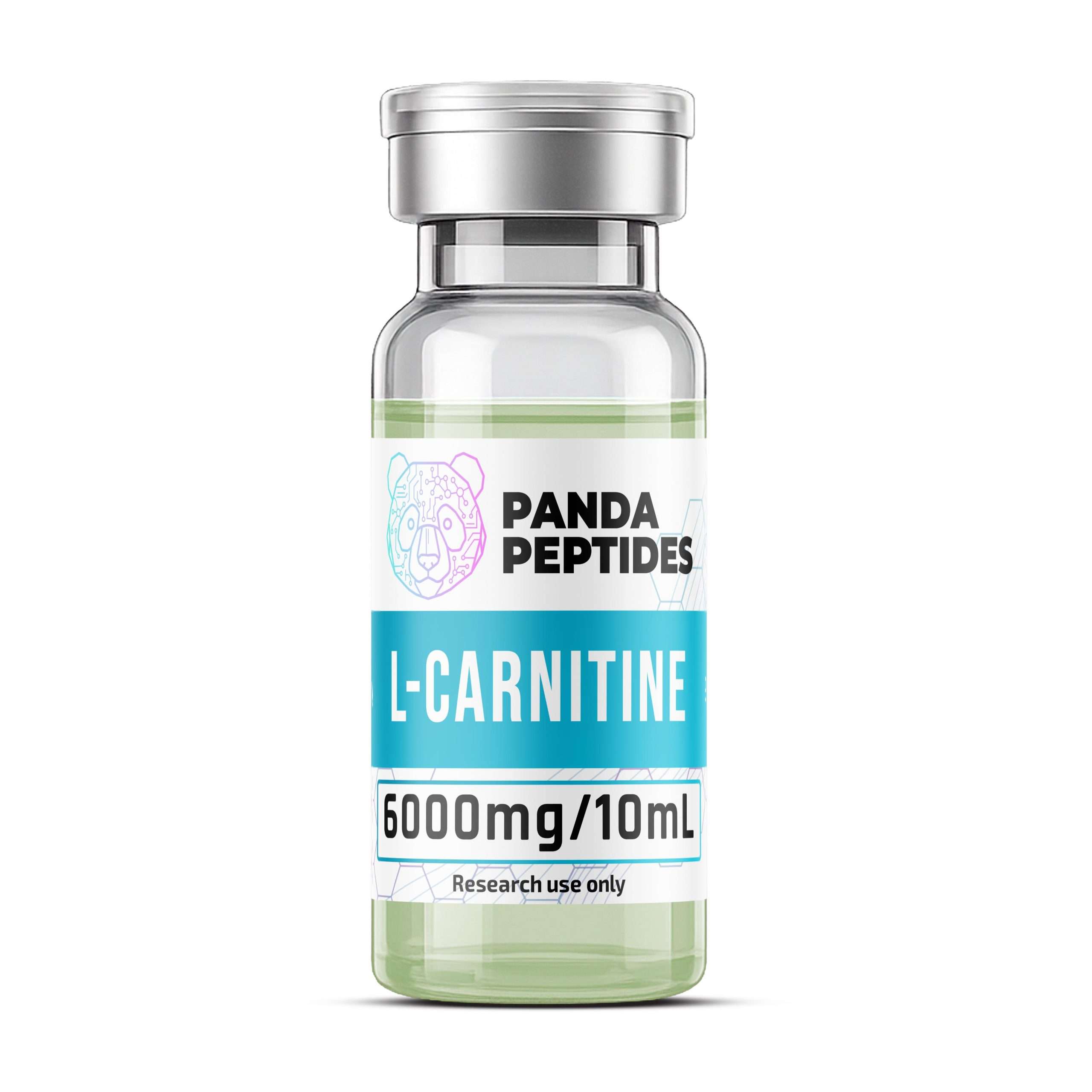
L-Carnitine is a quaternary ammonium compound (CAS 541-15-1) biosynthesized from lysine and methionine, molecular weight 161.2 Da. It transports long-chain fatty acids into mitochondria for beta-oxidation. Research examines its role in cellular energy metabolism and lipid utilization. Research compound — for laboratory use only.
Compound Specifications
Product Details
- Compound: L-Carnitine
- Purity: High
- Form: Sterile solution
- Sizes: 6000mg / 10mL
- Testing: View COA (Verified by Janoshik) →
Research Studies
(for educational purposes only)
L-Carnitine and mitochondrial fatty acid transport
Source: PubMed PMID: 15189123
Summary: This review characterized the carnitine palmitoyltransferase (CPT) system, examining how L-Carnitine shuttles long-chain acyl-CoA across the inner mitochondrial membrane via the CPT-I/CPT-II/carnitine-acylcarnitine translocase pathway in cell-based models.
L-Carnitine in cellular energy metabolism
Source: PMC6471376
Summary: Research examining L-Carnitine’s biochemical roles in mitochondrial β-oxidation, acetyl-CoA buffering, and cellular energy homeostasis across tissue types in preclinical models.