Research Peptides
Browse additional research peptides and related compounds outside the main catalog families. All compounds independently tested by Janoshik Analytical (ISO/IEC 17025). Listings focus on identity, form, amount, and lab-use labeling.
Showing 1–12 of 16 results
-
Price range: $24.99 through $42.99Select options This product has multiple variants. The options may be chosen on the product page
-
 Price range: $39.99 through $164.99Select options This product has multiple variants. The options may be chosen on the product page
 -
Price range: $24.99 through $47.64Select options This product has multiple variants. The options may be chosen on the product page
-
 Price range: $35.99 through $54.99Select options This product has multiple variants. The options may be chosen on the product page
 -
Price range: $39.59 through $59.39Select options This product has multiple variants. The options may be chosen on the product page
-
Original price was: $36.99.$34.99Current price is: $34.99.Select options This product has multiple variants. The options may be chosen on the product page
-
 $28.99Select options This product has multiple variants. The options may be chosen on the product page
 -
Original price was: $39.99.$35.99Current price is: $35.99.Select options This product has multiple variants. The options may be chosen on the product page
-
Price range: $21.99 through $34.99Select options This product has multiple variants. The options may be chosen on the product page
-
Original price was: $48.99.$39.99Current price is: $39.99.Select options This product has multiple variants. The options may be chosen on the product page
-
Original price was: $29.99.$26.99Current price is: $26.99.Select options This product has multiple variants. The options may be chosen on the product page
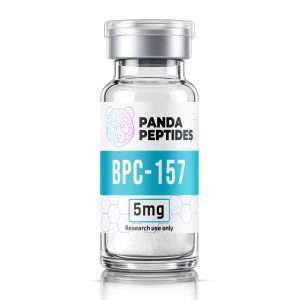
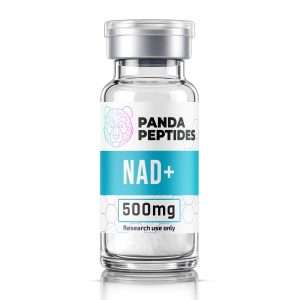
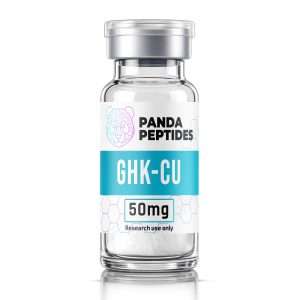
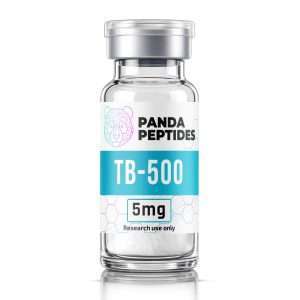
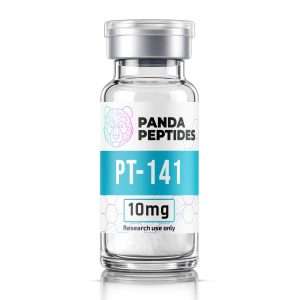
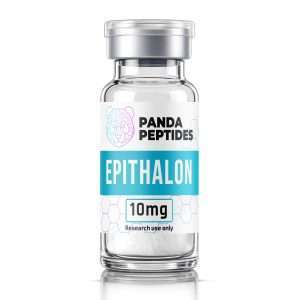
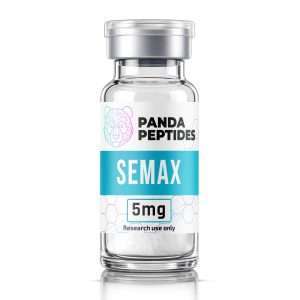
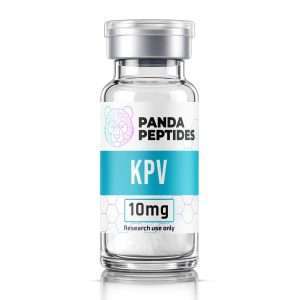
Showing 1–12 of 16 results
About Research Peptides & Related Compounds
This category covers the broadest range of our catalog: individual synthetic peptides and small molecules spanning neuropeptide analogs, copper-peptide complexes, coenzyme reference compounds, tripeptide fragments, and non-peptide NNMT inhibitors. Compounds range from 3-amino-acid tripeptides (KPV, GHK-Cu) to 43-amino-acid sequences (TB-500) and non-peptide small molecules (5-Amino-1MQ, NAD+).
Each product listing specifies the compound’s CAS registry number, molecular weight, amino acid sequence or molecular formula, target purity (≥99% unless otherwise noted), physical form, and available sizes. All peptides and applicable compounds include Janoshik Analytical COAs with HPLC purity data and mass spectrometry confirmation.
What structural classes are included in this category?
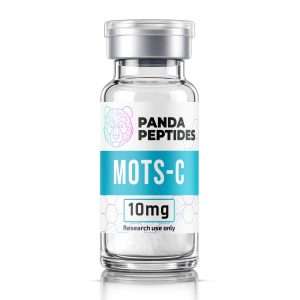
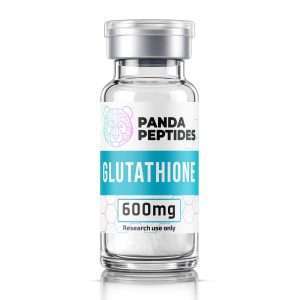
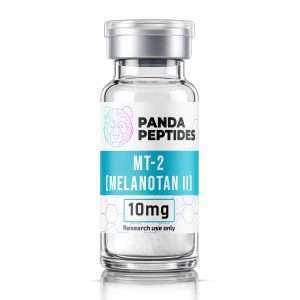
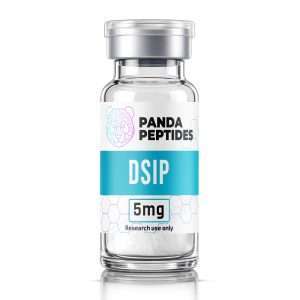
The category spans several distinct structural families: body protection compound fragments (BPC-157), thymosin-derived peptides (TB-500), copper-bound tripeptides (GHK-Cu), melanocortin-derived fragments (KPV, MT-2, PT-141), mitochondrial-derived peptides (MOTS-c), ACTH analogs (Semax, Selank), neuropeptides (DSIP, Oxytocin), and non-peptide compounds (NAD+, 5-Amino-1MQ, Glutathione).
How should lyophilized peptides be stored?
Unreconstituted lyophilized peptides should be stored at -20°C for long-term stability or 2-8°C for short-term use. Once reconstituted, peptide solutions should be refrigerated at 2-8°C and used within the timeframe specified on the product page. Avoid repeated freeze-thaw cycles. Storage recommendations are noted on each product listing.